9/12/26
Most parents read to their children. Far fewer pause to ask a single question afterward. That small pause is where comprehension actually happens. Kids who are asked to think about what they just heard tend to remember the story longer, pick up new vocabulary faster, and start connecting books to their own lives. None of this requires a lesson plan. Just a few well-placed questions.
Read More →
9/9/26
Every parent has seen it. A child working on a puzzle, building a tower, or sounding out a word and then stopping the moment it does not go right. Frustration is fast. Persistence is a habit that takes time to grow. The good news is that the tool most families already have at home can do more of the heavy lifting than most parents realize.
Read More →
9/6/26
Every September, parents ask the same question. How do kids who loved reading all summer suddenly lose interest once school starts? The honest answer is that the change in schedule, not the child, is usually the problem. Reading falls off the calendar when nothing is holding its place, and busy afternoons fill the gap fast.
Read More →
8/30/26
Between a child's fourth birthday and their eighth, something remarkable happens. The average kid goes from knowing roughly 5,000 words to somewhere around 20,000. That is not a slow climb. It is a verbal explosion, and it happens mostly between the ages when children are learning to read independently. Parents watch this unfold without knowing exactly what to make of it.
Read More →
8/29/26
There is a moment every parent and educator watches for. It is the moment when a child stops seeing a book as an assignment and starts seeing it as a doorway. That moment does not always happen at a desk. Sometimes it happens in front of a cockpit. Sometimes it happens in a museum hallway lined with the hum of old engines and the smell of aviation history.
Read More →
8/27/26
Watch a four-year-old listen to a story about a character who is scared of the dark. Her face changes. She leans forward. She might even reach toward the page. She is not just hearing words. She is feeling what that character feels, even though she has never been in that exact situation.
Read More →
8/26/26
Children have big feelings. This is not a flaw in their design. It is simply how childhood works. Books give kids a safe way to experience and process those emotions, and research shows that children who read regularly develop stronger emotional regulation skills than those who do not.
Read More →
8/25/26
Most parents know that reading with a child before bed is a nice thing to do. The routine feels warm. But there is more going on than just a cozy moment before the lights go out. Bedtime reading actually changes the conditions in a child's body and mind in ways that make falling asleep easier and sleeping longer more likely.
Read More →
8/23/26
There comes a moment in many households when a child learns to read on their own and the picture books get packed away. The thinking goes: why read picture books when you can read chapter books? The child has moved on. The picture books belong to the baby years. This assumption is understandable, but it misses something important. Picture books are not a crutch for early readers.
Read More →
8/24/26
Every time a child reads, something measurable happens in the brain. Not metaphorically. Not eventually. Immediately. Brain scans of children while they read show activity across multiple regions simultaneously: language processing, visual cortex, memory centers, and areas responsible for understanding other people's thoughts and feelings. Reading is not a single skill.
Read More →
8/23/26
A child who reads twenty minutes one day and nothing for a week is not building the same skill as a child who reads ten minutes every single day. Consistency changes what happens inside a child's brain in ways that quantity alone cannot. Here is what parents need to know.
Read More →
8/22/26
Children's books give children something that is hard to get any other way: a safe, distant view of their own emotions. When a child reads about a character who is angry, scared, or sad, she learns to name what she is feeling and sees that others feel it too. That is the beginning of emotional intelligence.
Read More →
8/21/26
The reading habits children build in their earliest years create a foundation that pays off throughout school and life. Starting early does not just mean earlier skills. It means children grow up thinking of themselves as readers, which makes all future reading easier and more natural.
Read More →
8/20/26
Screens make focus harder. Here is why books give kids the opposite effect, and how parents can use reading to build attention span naturally. The mental work books require, from holding details in memory to picturing a scene from words alone, builds a kind of attention that scrolling never will.
Read More →
8/19/26
Walk into any preschool classroom and chances are good that at least a few kids nearby each other are doing the exact same thing with zero interaction between them. Two kids building with blocks, each focused on their own tower. A pair of four-year-olds coloring side by side, not talking but clearly aware of each other.
Read More →
8/18/26
Picture books expose children to hundreds of new words in a single story. Here is how parents can use them to build vocabulary naturally, without any drills or worksheets. The research is clear: children read to regularly enter school with larger vocabularies, and picture books tend to introduce more varied words than everyday conversation.
Read More →
8/17/26
Screens compete for every minute of your child's day. Here is why short books still win out, and how parents can use that to their advantage. The difference between passive scrolling and active reading matters more than most parents realize, and the good news is that small changes at home can tip the balance in favor of books.
Read More →
8/16/26
Most kids love telling stories. They imagine elaborate scenarios with their toys, invent elaborate backstories for their favorite characters, and narrate their play with remarkable detail. The challenge is often just bridging that natural storytelling into actual writing. The good news is that parents don't need fancy supplies or complicated lesson plans to make this happen.
Read More →
8/15/26
Most children start kindergarten around age five. That sounds like a long way off when your child is two or three, but the early years move fast, and the habits built in that window tend to stick. Reading is no exception. Children who get comfortable with books before they ever sit in a classroom tend to approach reading with curiosity instead of anxiety. They already know it is something worth doing.
Read More →
8/14/26
Does your child groan at the idea of reading? Here are practical strategies parents can use to help reluctant readers discover the joy of books. This guide covers understanding why kids resist, letting children pick their own books, keeping sessions short and low-pressure, reading together without turning it into a test, connecting reading to existing interests, and making physical books accessible at home.
Read More →
8/13/26
Most parents read aloud during the picture book years. The bedtime story, the before-nap routine, the pile of board books on the living room floor. Then at some point, usually around second or third grade, the read-alouds stop. The child can read. The job is done. Or so the thinking goes. In practice, dropping read-aloud time is one of the most common transitions mistakes parents make.
Read More →
8/12/26
Few things test a parent's patience like the fifteenth request for the same picture book in a single week. Many caregivers worry that rereading the same story is a sign of boredom, a missed chance to broaden vocabulary, or a habit that should be gently nudged toward something new. In reality, the opposite is true.
Read More →
8/11/26
Getting kids to pick up a book willingly can feel like an uphill battle, especially when tablets and screens compete for their attention. But building a reading routine does not have to involve battles or bribery. With a few consistent strategies, parents can help children discover that reading is not just educational but genuinely enjoyable.
Read More →
8/10/26
Getting kids to pick up a book sometimes feels like pulling teeth. The video game is more exciting. The tablet has brighter colors. But here is the thing: reading becomes a habit when it fits naturally into daily life, not when it feels like a chore forced upon them. This article covers practical routines that parents can use to make reading a part of each day without the battles.
Read More →
8/9/26
Walking into a bookstore or scrolling through an online library can feel overwhelming. There are thousands of children's books out there, and picking the wrong one can mean a child loses interest in reading altogether. Picking the right book, on the other hand, builds confidence, creates positive associations with reading, and opens up new worlds for young minds.
Read More →
8/9/26
Making friends does not come naturally to every child. This guide covers what friendship looks like for young children ages 3 to 8 and how parents can teach specific skills like sharing, taking turns, and resolving conflicts.
Read More →
8/9/26
Ever wondered how long it takes to create a children's picture book? The answer might surprise you—it typically takes anywhere from one to three years from the first idea to a book sitting on a shelf.
Read More →
8/8/26
Learn what to look for in children's books. A practical guide for parents choosing stories that build vocabulary, imagination, and a love of reading. Covers illustrations, language, values, and what makes stories resonate with kids.
Read More →
8/7/26
Reading with your child builds more than vocabulary. Stories that show characters facing challenges and growing from them give children the message that they can do hard things too. Includes how shared reading time creates secure attachment moments and turns small reading wins into genuine confidence.
Read More →
8/6/26
Practical ways parents can help children build problem-solving skills through everyday moments, play, and stories. Includes how stepping back, asking questions, and reading together shape a child's confidence, cooperation, and persistence.
Read More →
8/5/26
Discover why imagination matters for children and how parents can nurture creative thinking through stories and play. Learn how imaginative play builds problem-solving skills and flexible thinking.
Read More →
8/4/26
Practical ways parents can turn reading from a chore into a part of the day kids look forward to. Includes the specific benefits reading has on kids' language, attention, and imagination. Aimed at parents who want story time to feel warm, not pressured.
Read More →
8/4/26
How parents can use stories to teach kids kindness, empathy, and compassion. Discover why children's books are powerful tools for building empathy and how reading together creates meaningful conversations about kindness.
Read More →
8/3/26
Practical strategies for parents to teach kids teamwork, cooperation, and shared success at home. From everyday tasks to games that build cooperation, this guide helps parents prepare kids for school and social settings.
Read More →
8/2/26
Practical prompts parents can use at home to help kids build writing skills, creativity, and confidence. Each prompt explains the specific skill it develops, from vocabulary to patience. A short guide for parents who want screen-free ways to support growth.
Read More →
6/9/26
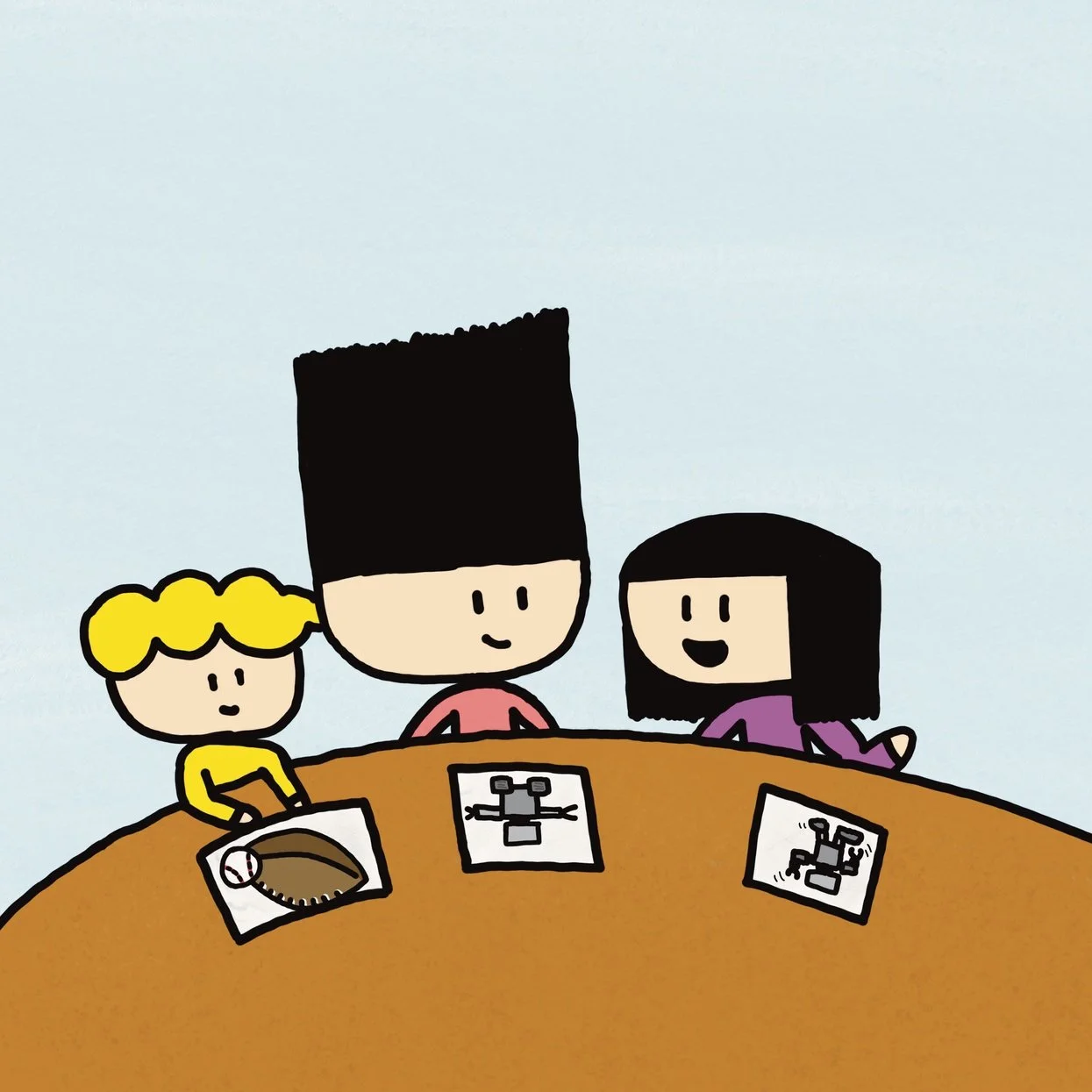
In this third Little Mike adventure, Little Mike dreams of soaring through the sky and meets Pilot Thomas. The story shows kids how courage and self-belief can lead to big adventures. A warm read-aloud for families.
Read More →
3/22/25
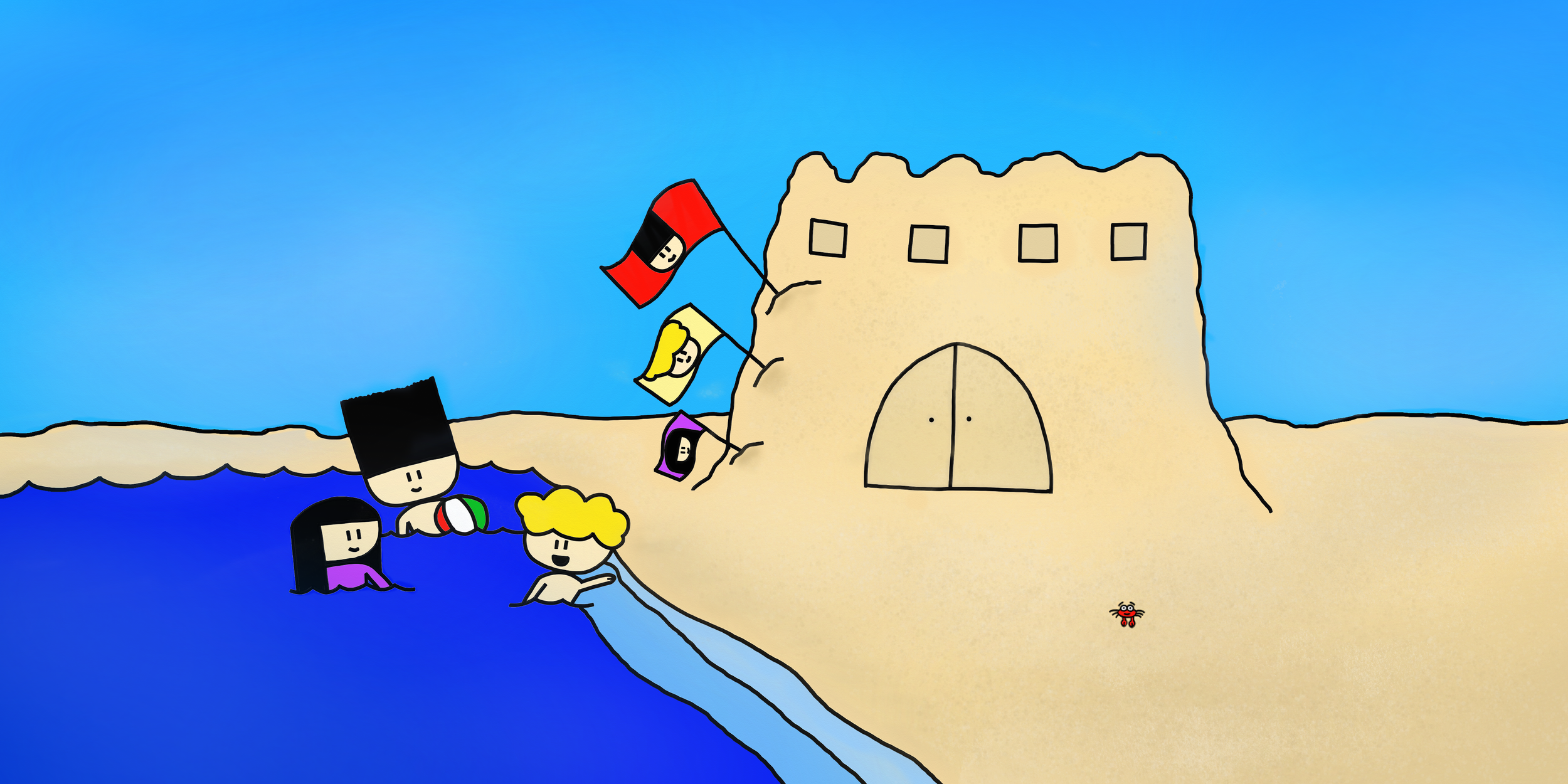
Little Mike, John, and May set out to build a giant sandcastle together at the beach. When the waves wash it away, the friends learn what teamwork really means. A picture book about friendship and working through disappointment.
Read More →
10/14/24
A behind-the-scenes look at how a classroom doodle grew into Little Mike, a children's book character. Parents and kids can read about the early drawings that became the basis for the series. A short, encouraging story about turning small ideas into real projects.
Read More →
8/26/24
A peek into how a Little Mike book comes together, from the first sketch to the final watercolor illustration. Parents can use it to show kids how a story moves from idea to finished page. Encourages young readers to try their own writing and drawing.
Read More →
1/12/24
A look back at the children's books that shaped many parents' own reading years. The article explores how Little Mike continues that tradition for today's kids. A nostalgic read that pairs nicely with family story time.
Read More →
1/12/24
Tips for parents who want to make story time feel special, from setting up a cozy reading corner to acting out scenes together. Most ideas use things already at home. A practical guide for building reading routines kids look forward to.
Read More →
1/12/24
Fun ways to keep kids engaged during story time, from trying different character voices to crafts inspired by Little Mike's adventures. Each idea is simple enough for a busy weekday evening. Aimed at parents who want reading to feel like play, not a chore.
Read More →
1/12/24
An introduction to the Little Mike Books series and the young author behind it. Parents and kids can read about where the characters came from and how the first book was made. A good starting point for families new to the series.
Read More →